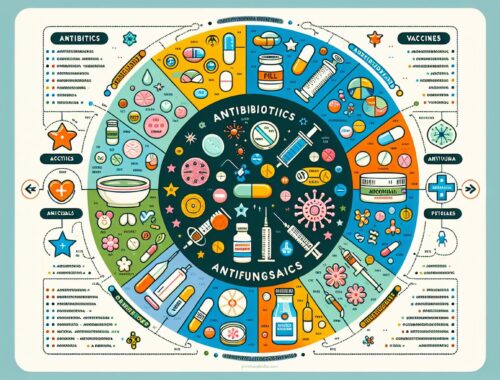
Understanding the Different Types of Medicines
Medicines play a crucial role in treating illnesses and maintaining overall health. There are various types of medicines available, each designed to target specific health conditions or symptoms. Understanding the different categories of medicines can help individuals make informed decisions about their healthcare.
Over-the-Counter Medicines
Over-the-counter (OTC) medicines are readily available without a prescription and can be purchased at pharmacies, grocery stores, and other retail outlets. These medicines are typically used to treat minor ailments such as headaches, colds, and allergies. Common examples of OTC medicines include pain relievers like ibuprofen and acetaminophen, as well as antihistamines for allergies.
Prescription Medicines
Prescription medicines are prescribed by healthcare providers and are typically used to treat more serious health conditions. These medicines are often more potent than OTC options and may require careful monitoring by a healthcare provider. Prescription medicines can include antibiotics, antidepressants, and blood pressure medication, among others.
Herbal and Natural Medicines
Herbal and natural medicines are derived from plants, herbs, and other natural sources. These medicines have been used for centuries in various cultures and are often seen as a more holistic approach to healthcare. Examples of herbal and natural medicines include echinacea for immune support and chamomile for relaxation.
Vaccines
Vaccines are a type of medicine that helps prevent infectious diseases by stimulating the immune system to produce antibodies. Vaccines are typically administered through injections or nasal sprays and are essential for protecting individuals and communities from a range of illnesses, including measles, influenza, and COVID-19.
Homeopathic Medicines
Homeopathy is a form of alternative medicine that uses highly diluted substances to stimulate the body’s natural healing process. Homeopathic medicines are believed to help balance the body’s vital energy and are used to treat a wide range of conditions, from allergies to stress.
Specialty Medicines
Specialty medicines are often used to treat complex or rare conditions and may require special handling or administration. These medicines are typically prescribed by specialists, such as oncologists or rheumatologists, and may be more expensive or difficult to access compared to other types of medicines.
In conclusion, understanding the different types of medicines can help individuals make informed decisions about their healthcare. Whether choosing between OTC and prescription medicines or exploring alternative options like herbal remedies or homeopathy, it’s important to consult with a healthcare provider to ensure safe and effective treatment. By staying informed and open-minded about the diverse range of medicines available, individuals can take steps towards better health and well-being.